
Written by: Zvonimir Pavković, PR Account Manager, not ChatGPT
We often hear: “Lucky you, you work at a PR agency, you must be organising events all the time.” At first glance, event organisation seems fun, creative and glamorous. However, behind every successful event are numerous hours of planning, coordination, communication and problem-solving that the audience most often never sees.
A good event is not just a beautiful venue, good music and attractive decoration. It is necessary to coordinate the budget, location, technical requirements, content, suppliers, guests and numerous other details. And it is precisely within this organisation that the biggest challenges most often lie.
There are events that people talk about for days, weeks and even years after they are over. Whether they are spectacles such as the Met Gala, Academy Awards or the Eurovision Song Contest, or private celebrations such as weddings and birthdays, there is always that one event everyone says they regret not attending. That is precisely the goal of good event organisation. To create an experience that people remember.
Everything starts with a realistic budget
One of the most common mistakes happens right at the beginning. We often find inspiration on social media and at major global events, but an idea from Pinterest does not necessarily match the budget we have available. Lighting, LED screens, catering, decoration, performers and technical support can significantly affect costs. That is why it is important to define the budget and priorities from the start. It is better to have several well-executed elements than to try to realise everything and end up with an unfinished result.
Do not promise what is not feasible
In the event industry, honesty is just as important as creativity. Sometimes, out of a desire to accommodate the client, we agree to something that cannot be realised within the given timeframe, venue or budget. A good organiser knows how to say “no”, but even more importantly, knows how to offer an alternative. Professionalism is not about saying “yes” to everything, but about knowing how to assess what is feasible and find the best possible solution.
Communication is the key to everything
Event organisation largely comes down to communication. It is necessary to coordinate clients, suppliers, technicians, performers, catering and the on-site team. Clear communication and good negotiation skills can prevent numerous problems. It is important to know how to ask questions, confirm what has been agreed and react calmly when an unforeseen situation arises. The best organisers are not those who have no problems, but those who know how to solve them without panic.
Time and a good planner save an event
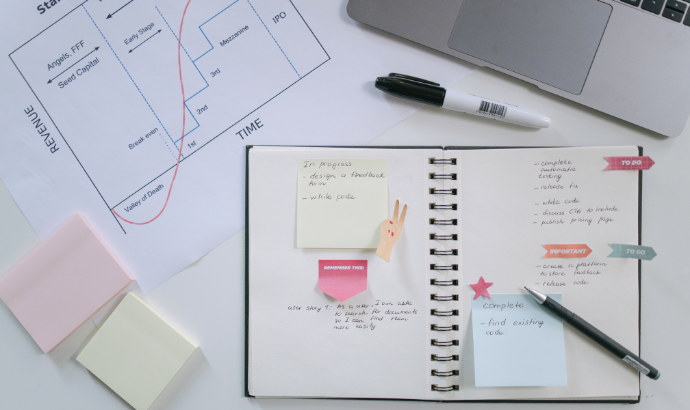
In the event industry, “we’ll sort it out” at the last minute is rarely a good strategy. Reservations, technical rehearsals, supplier confirmations and guest arrivals must be planned in advance. That is why a good planner is one of the most important tools for every organiser. It should include deadlines, tasks, costs, contacts, responsible persons and implementation status. Such an overview is important not only for organisation, but also for the entire team. If someone suddenly has to take over the project, all the necessary information should be available in one place.
Do not forget the technical aspects
The audience may not notice perfectly set lighting, but they will definitely notice a microphone that does not work or a presentation that cannot be started. That is why technical details should be checked in advance. Sound systems, microphones, projectors, screens, internet and electrical connections should be tested before the event begins. A full rehearsal can often prevent problems that would be much more difficult to solve during the event itself.
Guests remember the experience, not just the decoration
Attractive decoration is important, especially in the age of social media, but it is not enough on its own. If guests wait a long time at the entrance, the programme is delayed, there is not enough space or the catering is poorly organised, even the most beautiful venue will not leave a good impression. That is why, when organising an event, it is always necessary to think about the guest experience. The goal is for people to feel comfortable and included, and to leave the event with positive impressions.
B2B and B2C events require different approaches
First of all, it is necessary to know who we are addressing. B2B events are most often aimed at business partners, clients, investors or the media, so the emphasis is on professional communication, networking and brand values. B2C events are aimed at end consumers and often have a stronger emotional and entertainment component. Regardless of the type of event, the concept should be adapted to the audience. Only then can the event authentically convey the brand identity and create an experience that guests will remember.
Always have a plan B
In event organisation, there is almost always something that will not go according to plan. A supplier may be late, a performer may cancel, the technology may fail or the weather may change. That is why every important segment of the event should have a backup option. Plan B may never be needed, but when a problem arises, it can make the difference between a crisis situation and a problem that is solved before any of the guests even notices it.
The key to a successful event
Event organisation is much more than a creative idea. It is a combination of planning, communication, negotiation, logistics and the ability to make quick decisions. The most common mistakes, such as an unrealistic budget, poor communication, lack of time or neglecting technical details, can be prevented with good preparation. In the end, the best event is the one where guests do not think about the organisation. They simply enjoy themselves. And behind that “everything went perfectly” there is usually a lot of planning, several crisis situations and a good team that knows what it is doing.