
Written by: Marina Bolanča Radunović, CEO Abeceda komunikacije, not ChatGPT
Fear of public speaking, which includes media appearances, is the second most common fear we face. First, as conscious beings, we fear death the most, and immediately after that, we fear public speaking. That is why we need quality media training, which is a key tool for anyone who wants to perform confidently and professionally in front of cameras, journalists, or the public and, of course, overcome that fear. Whether you are a director, PR professional, or spokesperson, this form of education helps you communicate your message clearly, calmly, and convincingly – without fear or discomfort.
What is media training and why you need it
Media training is a process in which you learn how to communicate effectively with the media and the public. The goal is not just to “survive” an interview, but to control the message and leave a positive impression. Through practical exercises, interview simulations, and performance analysis, participants learn how to handle difficult questions, manage body language, and use tone of voice.
A successful appearance on camera is not a matter of talent, but a skill that can be learned. One of the key elements is authenticity – the audience always recognizes when you are genuine.
What quality media training looks like
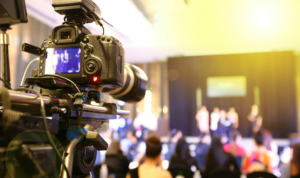
Quality media training combines theory and practice. It is important for us to vividly recreate the situations you may find yourself in. Whether you are the main speaker at a conference, giving an opening speech at a large internal gathering, participating in a panel, or appearing on Otvoreno, we will guide you through real-life scenarios that simulate the pressure of actual public and media appearances.
The most common phases include:
- Analysis of communication style – how you speak, look, and react.
- Work on key messages – what you want the audience to remember.
- Managing emotions – how to stay calm and focused.
- Training in nonverbal communication – eye contact, gestures, posture.
- Handling crisis situations – what to say when you are surprised by an uncomfortable question.

The psychology of confidence and persuasiveness
A large part of success in front of the camera comes from self-confidence. According to research by Harvard Business Review, people perceive speakers who show confidence in their voice and body as more competent and credible.
That is why media training does not only teach speaking techniques, but also mental preparation. Breathing exercises, visualization of a successful performance, and preparation for unexpected questions make the difference between a nervous and a confident interviewee. When overcoming the fear of public or media appearances, preparation is the most important factor, and how thorough it is determines whether you will successfully convey key messages to your audience. When you learn to control your emotions and body language – the message becomes stronger.
Confidence in front of the camera is a matter of training
No one is born a natural speaker. With good media training, anyone can learn how to stay calm, build self-confidence, and deliver a message that is remembered. Be prepared, well-practiced, and aware that every appearance builds your professional reputation. And when the camera turns on – you are already a winner.